
The Stormy Southwest Pacific
Tropical Cyclone Xavier launched the basin’s storm season with a bang.
Read the story → World of
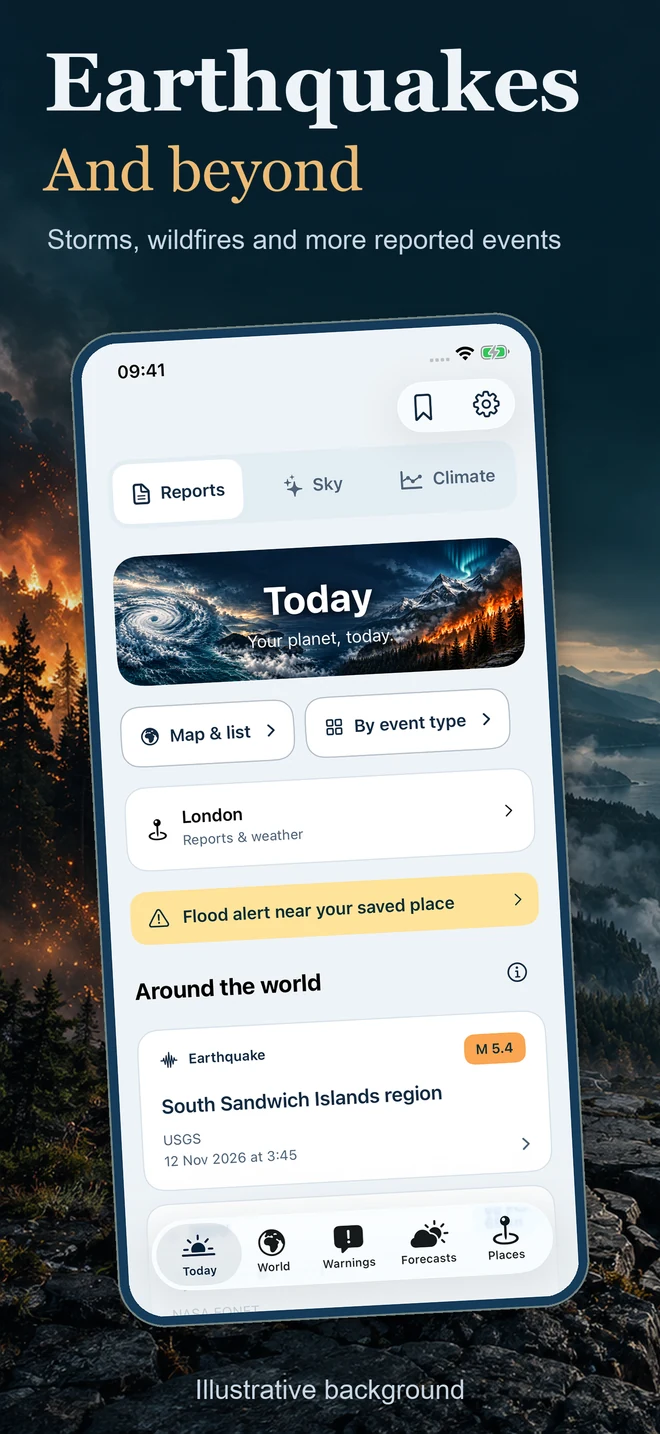
Explore earthquakes, storms, wildfires and floods. Follow the places you care about, read the source reports and see the climate picture, all in one iPhone app.
Earth and sky illustration, not live reports.
Start with Today’s event feed. Open a report for the facts, explore the map, or check a briefing for somewhere that matters to you.
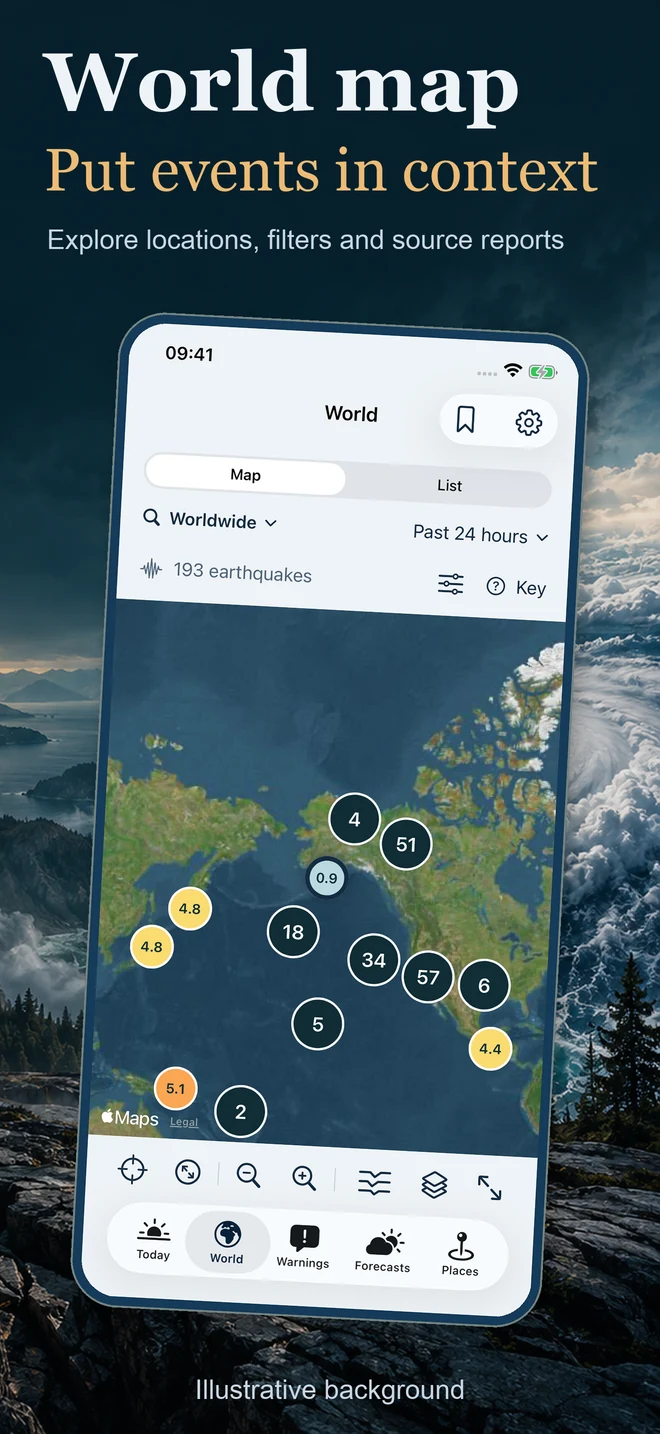
Explore the map, open the facts and follow the original source.
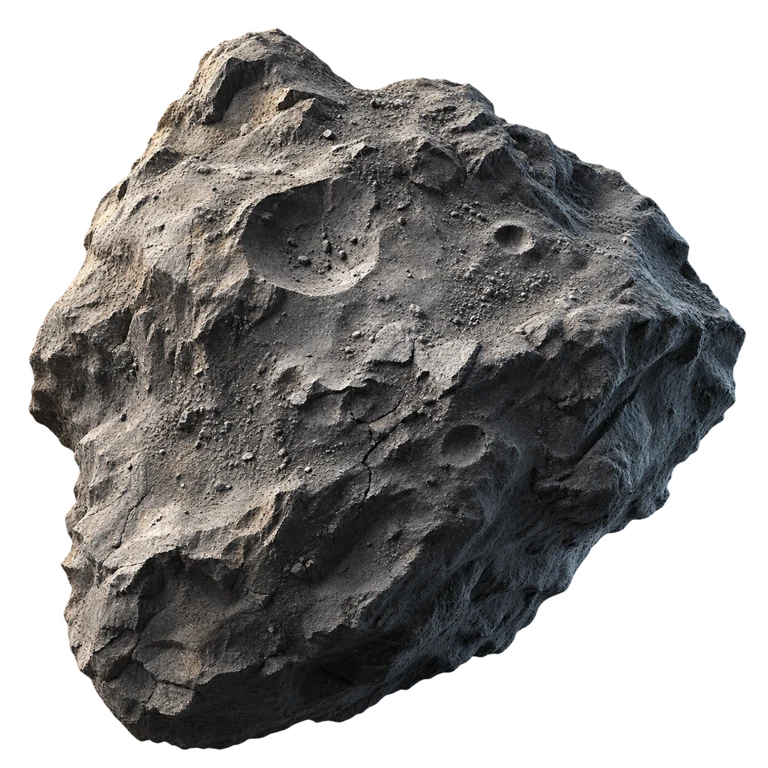
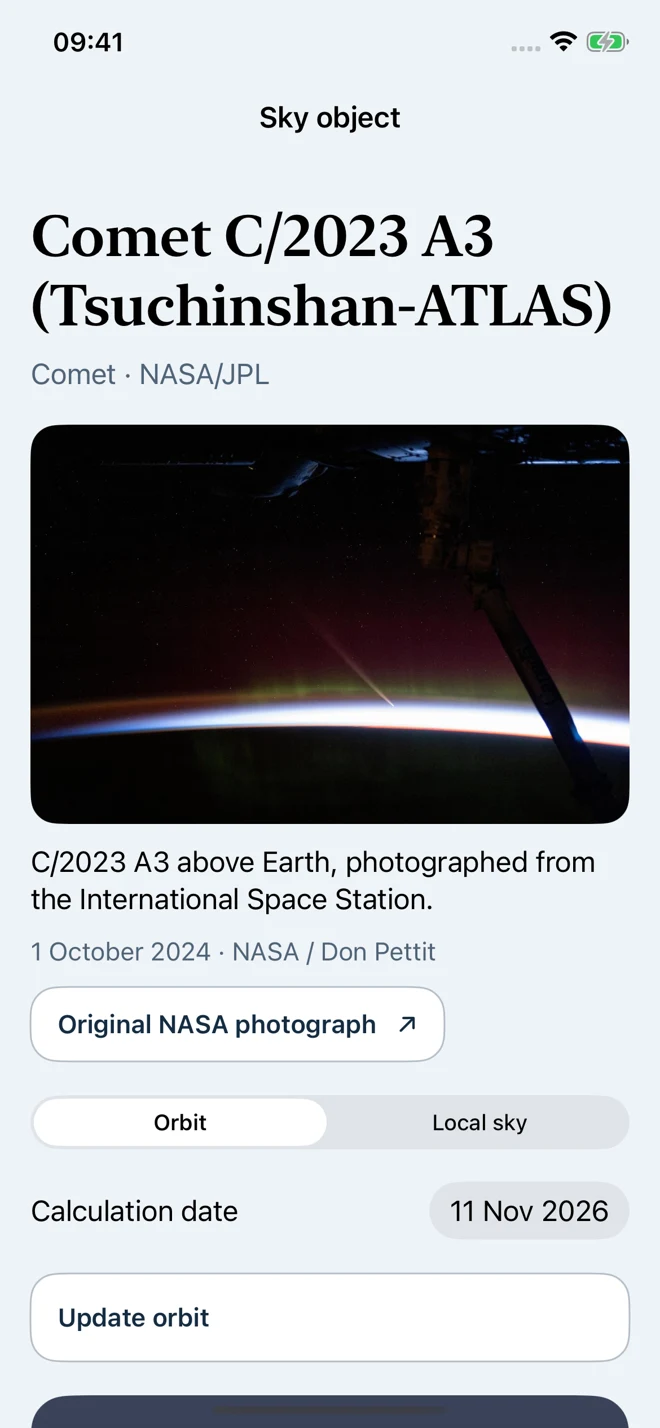
There’s more to explore beyond Earth. Discover comets and asteroids, follow their paths around the Sun and see where to look from a town you choose.
Compare predicted distances and times. Choose close-approach notices with Pro.
Explore an object’s direction and height through the day, using NASA/JPL calculations.
Fresh searches, calculations and notices require Pro. Received notices and saved copies remain readable in Free.
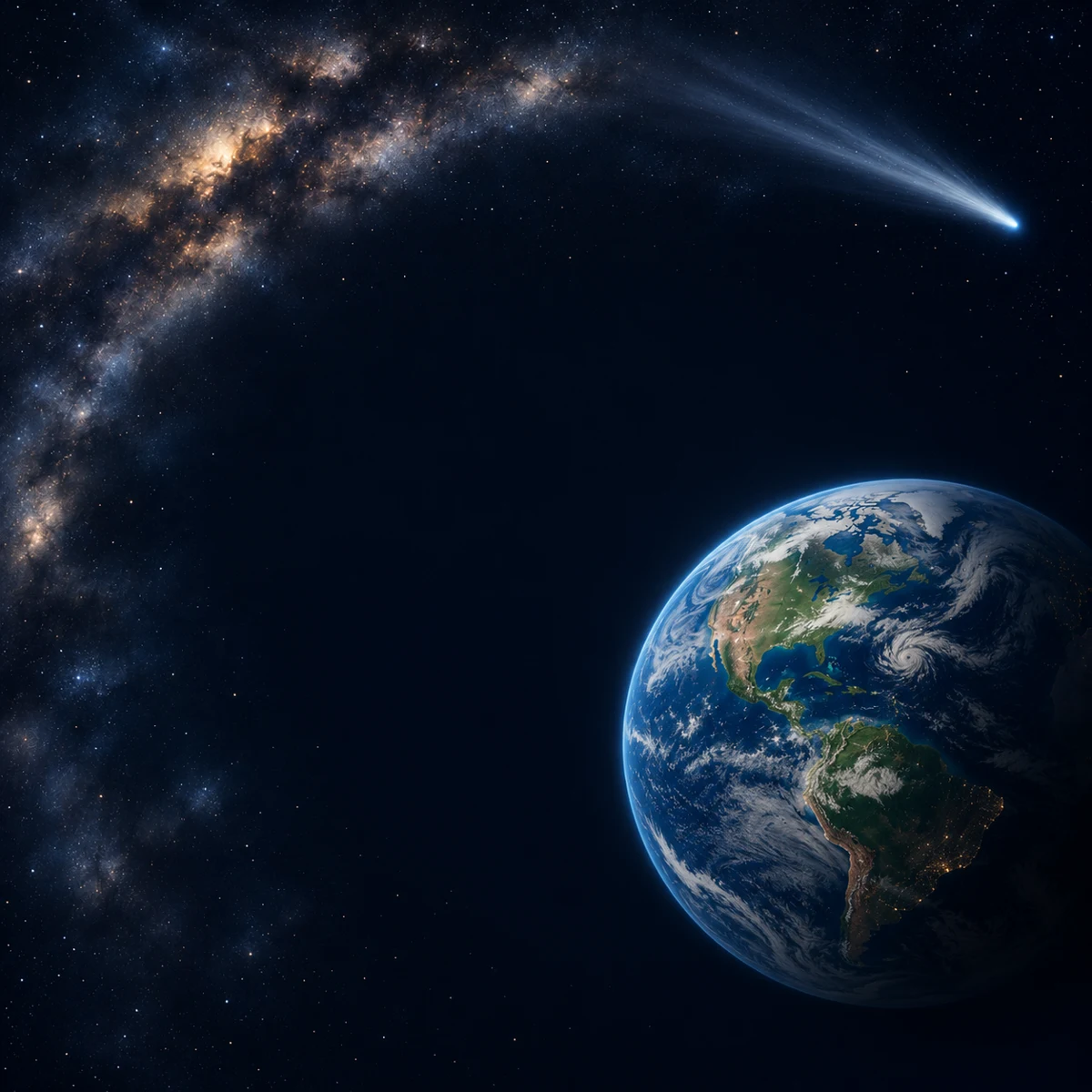
A close approach is not an impact prediction. Local sky calculations cannot account for cloud, buildings or light pollution.
Keep the places you care about together. Home, family, or the next place you’ll explore.
↗03 / THE BIGGER PICTUREExplore temperature, CO₂ and El Niño. Understand the trends behind our changing climate.
↗New research on a changing planet, with the source one click away.
Feeds last retrieved . Article dates are shown below.
Tropical Cyclone Xavier launched the basin’s storm season with a bang.
Read the story →A surprising new study suggests Antarctica's towering ice cliffs may be less vulnerable to catastrophic collapse than scientists once feared. After tracking more than 15,000 ice cliffs, researchers discovered that even the tallest cliffs, which can collapse at alarming speeds, often stabilize rather than triggering an unstoppable chain reaction. Underwater ridges, surrounding water, and broken ice appear to provide natural defenses against further collapse.
Read at ScienceDaily ↗Winter precipitation helped wake dormant seeds in northern Chile, carpeting the desert with what may be the region’s most extensive flowering of the satellite era.
Read the story →Headlines and summaries from ScienceDaily, alongside article text from NASA Earth Observatory. Publication dates belong to the original articles. Research news provides context; it is separate from the app’s event reports and warnings.
Public scientific data. Clear attribution.
See sources and regional coverage →
No. It shows reported events and information from named sources. Earthquake notifications follow detection and reporting. They are not predictions or a promise of an alert before shaking. Follow your local authorities in an emergency.
Yes. The free app includes current events, the world map, event details, one saved place with its briefing and basic hazard alerts, optional global G1+ geomagnetic alerts, saved event copies and two years of climate observations. Pro adds Sky for comets and asteroids, Apple Weather forecasts, custom alerts and worldwide monitoring for other supported hazards, up to ten places, and both 30-year and full climate records.
No. Earthquakes and volcanic eruptions are geological events. Climate information is presented separately, and a single event does not establish a climate trend.
World of Warning is available now for iPhone with iOS 17.0 or later. Download it free from the App Store. Optional Pro adds more places, custom alerts, longer records and Apple Weather for £9.99 per year in the UK.